
POSTDOCTORAL FELLOWSHIP
VISION
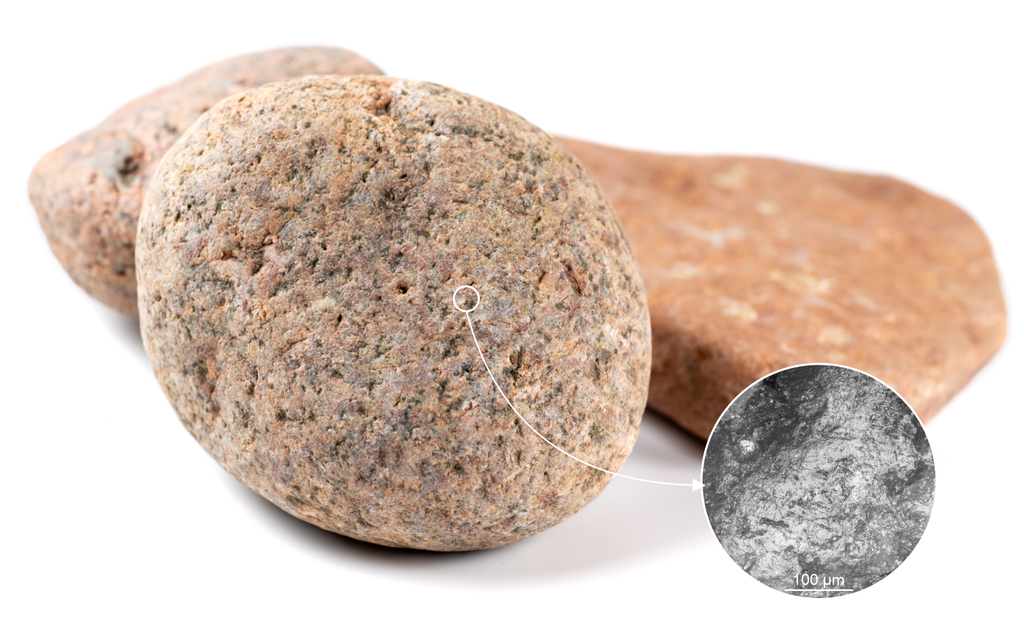
Understanding the role of macrolithic tools in Mesolithic lifeways
VISION investigates the role of macrolithic stone tools in Early Holocene hunter-gatherer-fisher communities of the Central European Plain.
By combining experimental archaeology, qualitative and quantitative use-wear analysis, residue analysis and spatial approaches, the project aims to identify the activities performed with these tools and to explore their significance within broader patterns of subsistence, mobility and site organisation.
Postdoctoral Fellowships
24 months
Three Mesolithic sites, complementary archaeological perspectives
VISION investigates macrolithic tools from Paliwodzizna 29, Ludowice 6 and Mszano 14, three sites offering different contexts for understanding tool use and the organisation of Mesolithic activities.
Explore the research →From microscopic traces to archaeological space
Experimental archaeology, use-wear and residue analysis, 3D surface metrology, photogrammetry and GIS are combined to reconstruct how macrolithic tools were used and how their functions related to archaeological space.
Explore the methods →Research designed to be shared
VISION is committed to open and reusable research. Publications, datasets, visual documentation and digital resources will be made accessible as the project develops.
Scientific results
Peer-reviewed articles, conference contributions and other scholarly outputs arising from VISION.
3D models & visual data
3D models, high-resolution imagery and visual documentation of archaeological and experimental materials will support reuse and exploration.
FAIR research data
Research datasets, reference collections and supporting documentation will be deposited in open repositories.
Follow VISION as it develops
Project updates, conference presentations, publications and other activities from the VISION fellowship.
-
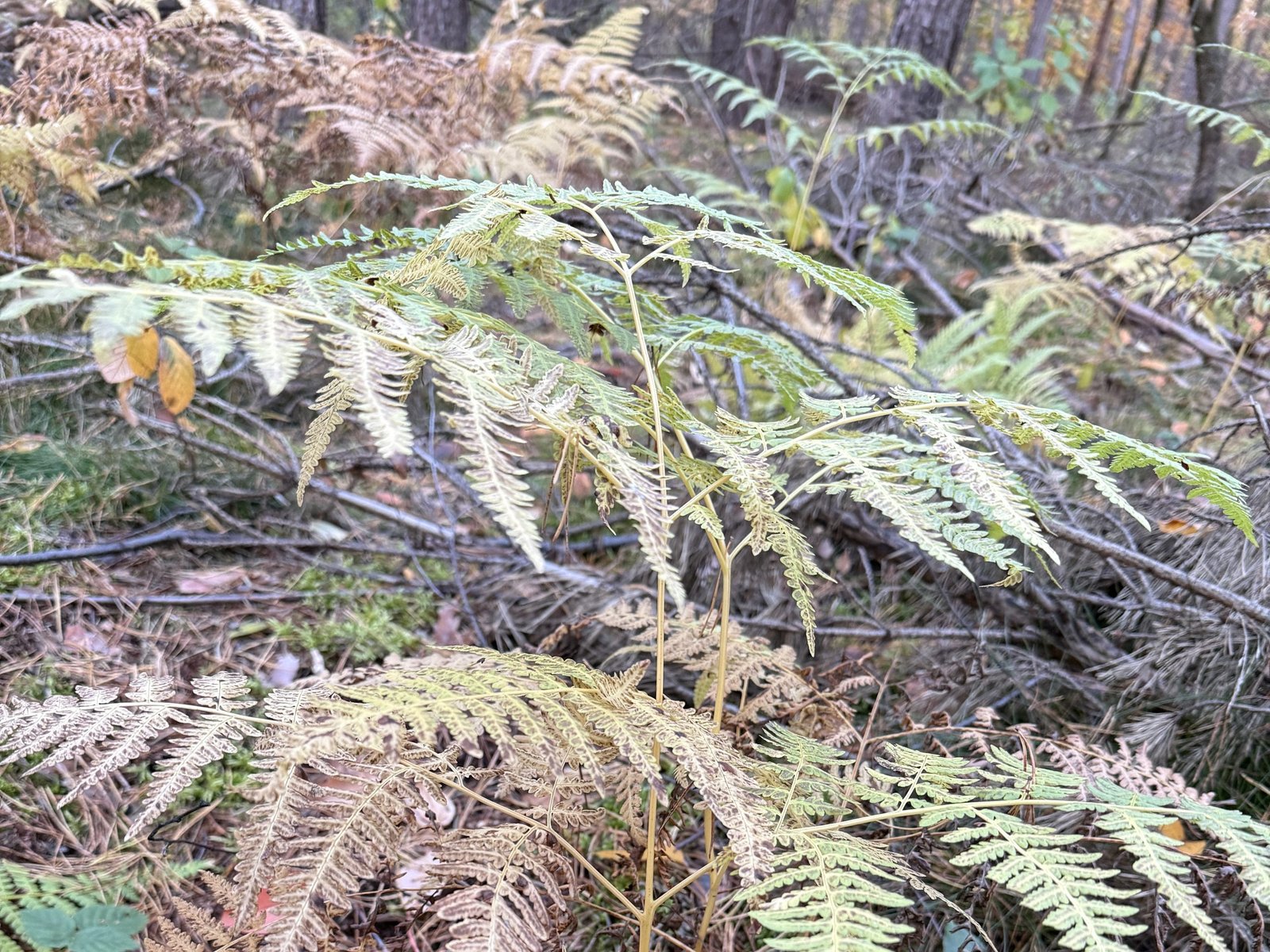
Collecting bracken rhizomes for VISION experiments
Read more: Collecting bracken rhizomes for VISION experimentsAutumn plant collecting continues as part of the VISION project’s experimental research programme. This time, the focus is on bracken fern (Pteridium aquilinum), a…
-
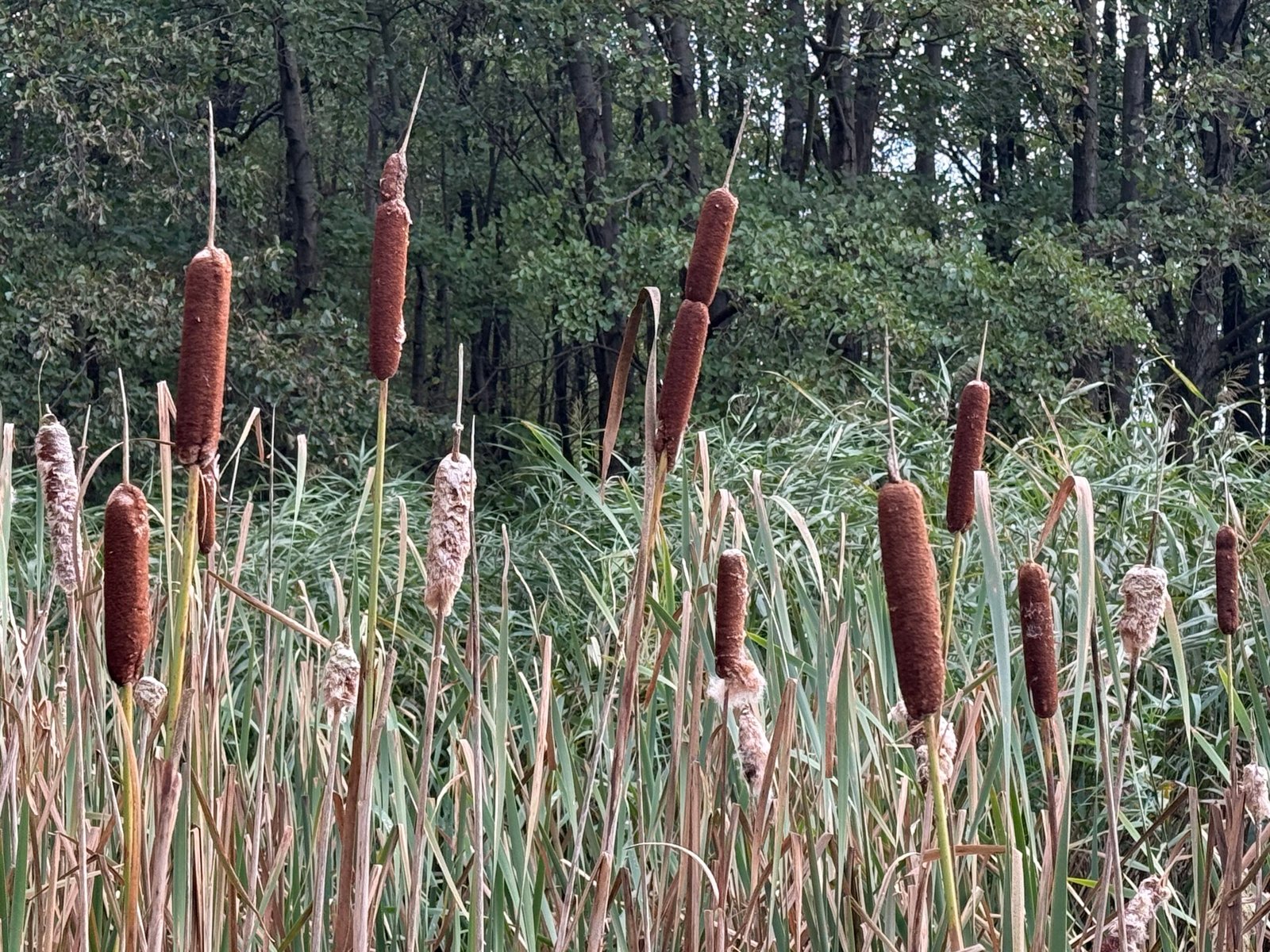
Collecting cattail for VISION experiments
Read more: Collecting cattail for VISION experimentsCollecting cattail for VISION experiments The seasonal collecting campaign for VISION continues — this time with cattail (Typha sp.), a wetland plant whose starch-rich…
-
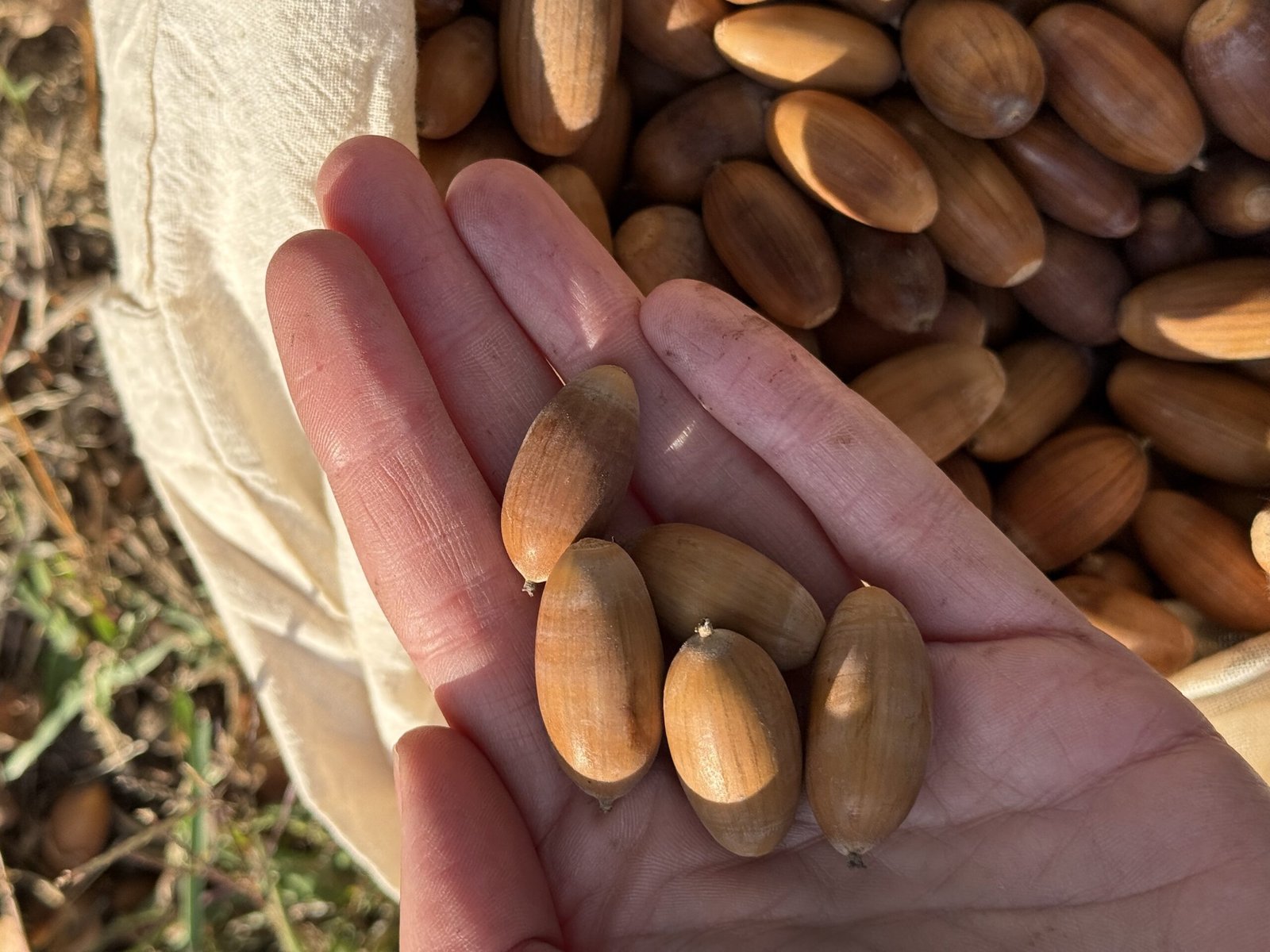
Autumn collecting begins for VISION experiments
Read more: Autumn collecting begins for VISION experimentsAutumn marks the beginning of an important collecting season for VISION. Acorns, hazelnuts, roots, rhizomes and tubers will provide plant materials for experiments exploring…