
Investigating macrolithic stone tools
VISION uses a multi-scale analytical approach to examine surface modifications, microscopic wear and preserved residues on experimental and archaeological macrolithic tools.
Reproducing prehistoric resource-processing activities
Experimental trials investigate how different materials and working techniques affect the surfaces of macrolithic stone tools. Using stone raw materials comparable to those found in archaeological assemblages, the experiments reproduce selected activities supported by prehistoric archaeological evidence.
The programme examines different worked materials, their physical states, tool roles and working motions. Wear development and residue formation are documented throughout the experiments, allowing the resulting traces to be systematically compared with archaeological specimens.
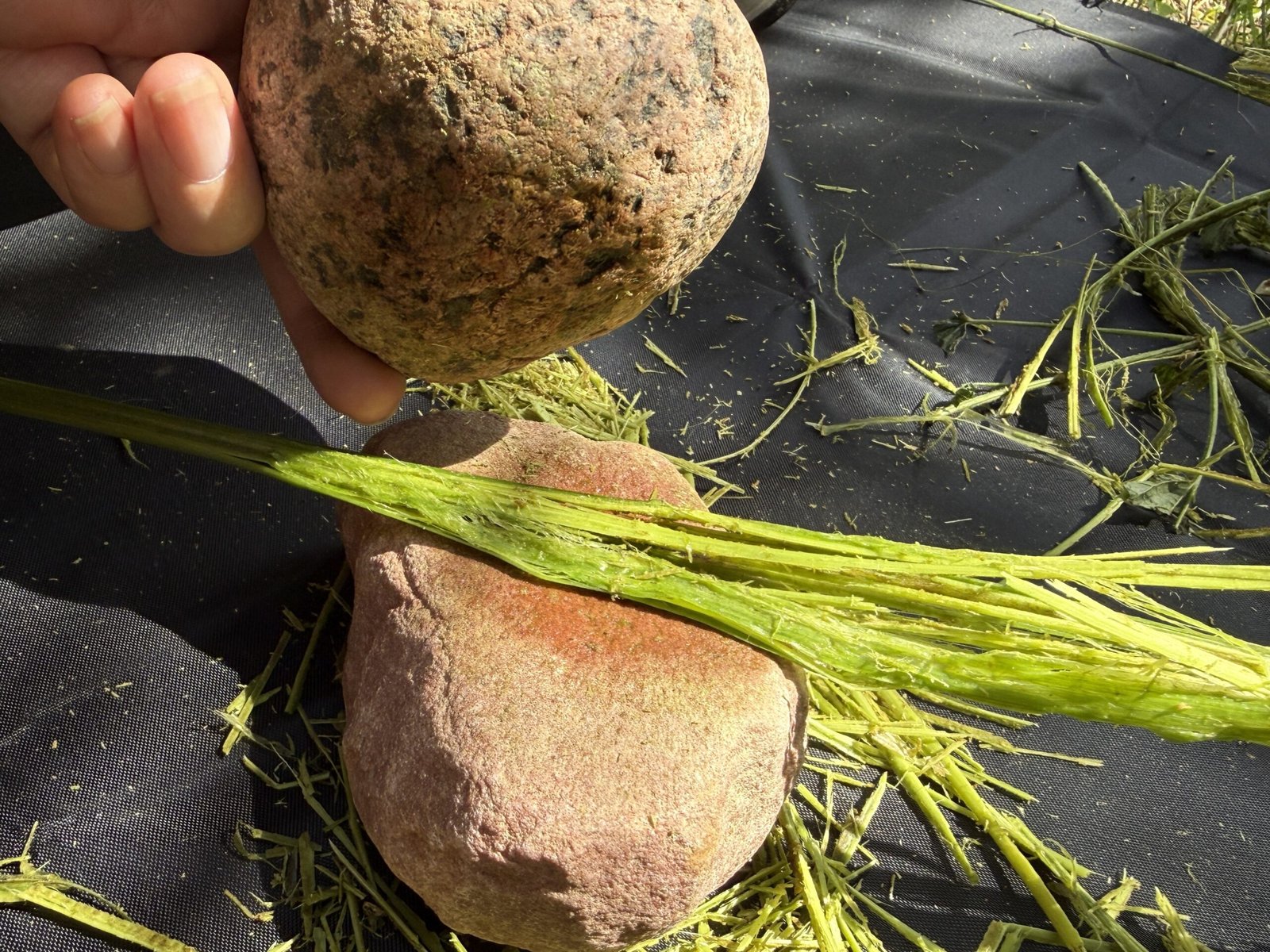
A multi-scale approach to traces of tool use
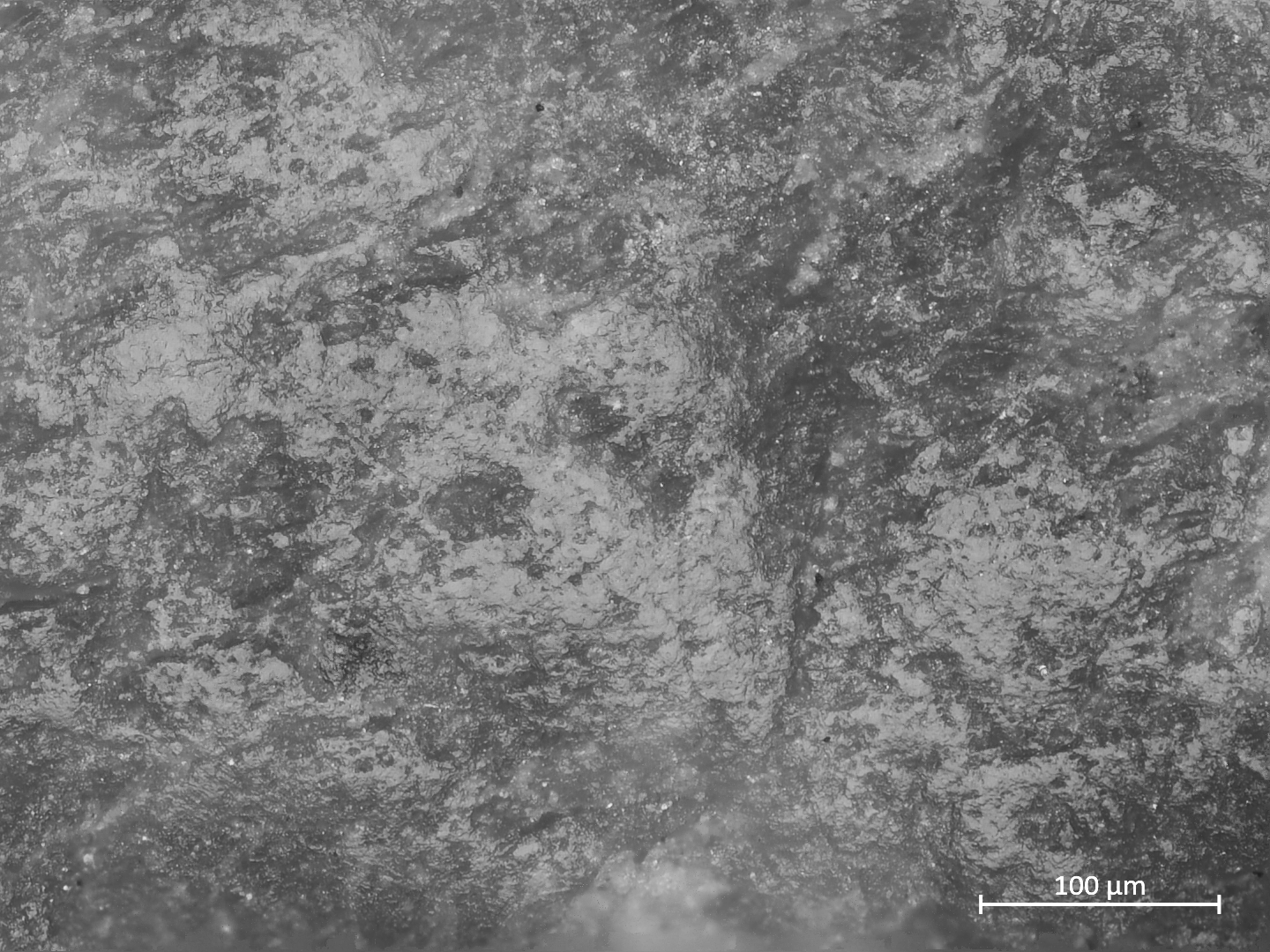
Optical light microscopy
Low- and high-magnification observations document surface topography, manufacturing traces and use-related modifications such as polish, striations and changes in surface relief.
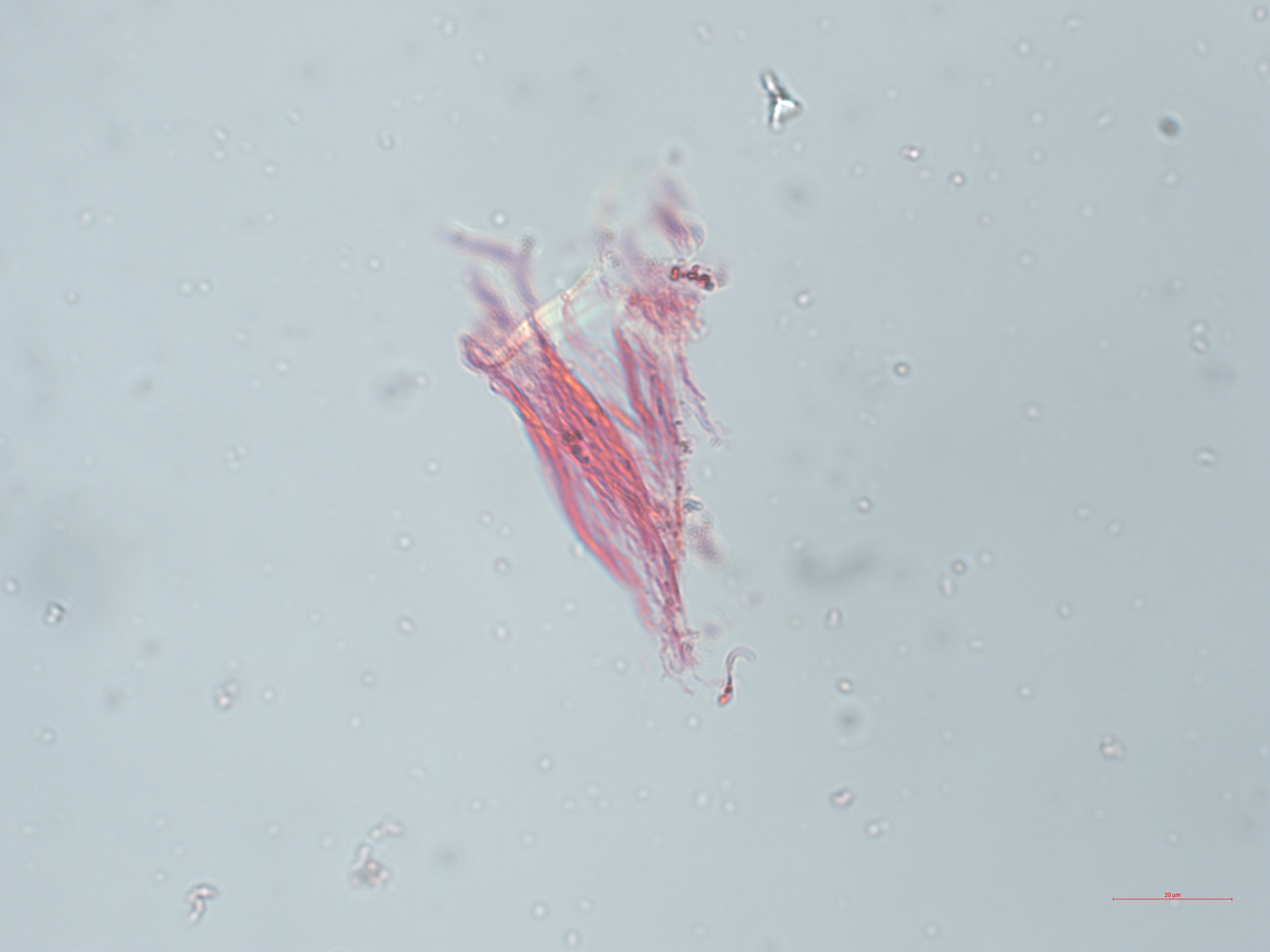
Residue analysis
Residues identified on tool surfaces are selectively sampled and examined in transmitted and cross-polarised light, allowing microscopic remains to be interpreted together with associated use-wear evidence.
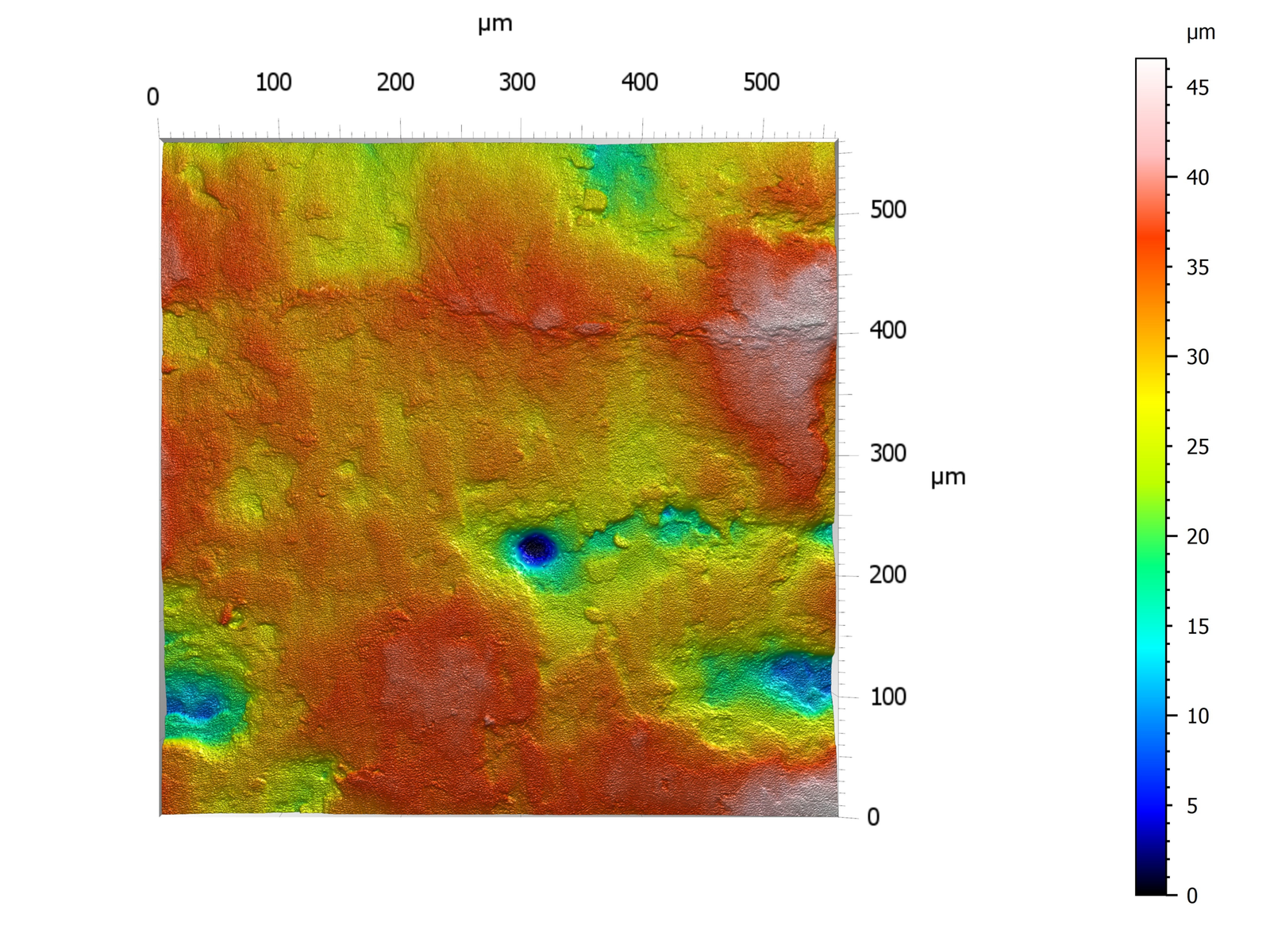
Confocal microscopy & 3D metrology
Confocal microscopy records three-dimensional surface topography, while surface-metrology software extracts quantitative parameters used to compare and statistically discriminate different use-wear patterns.
Connecting tool surfaces with archaeological space
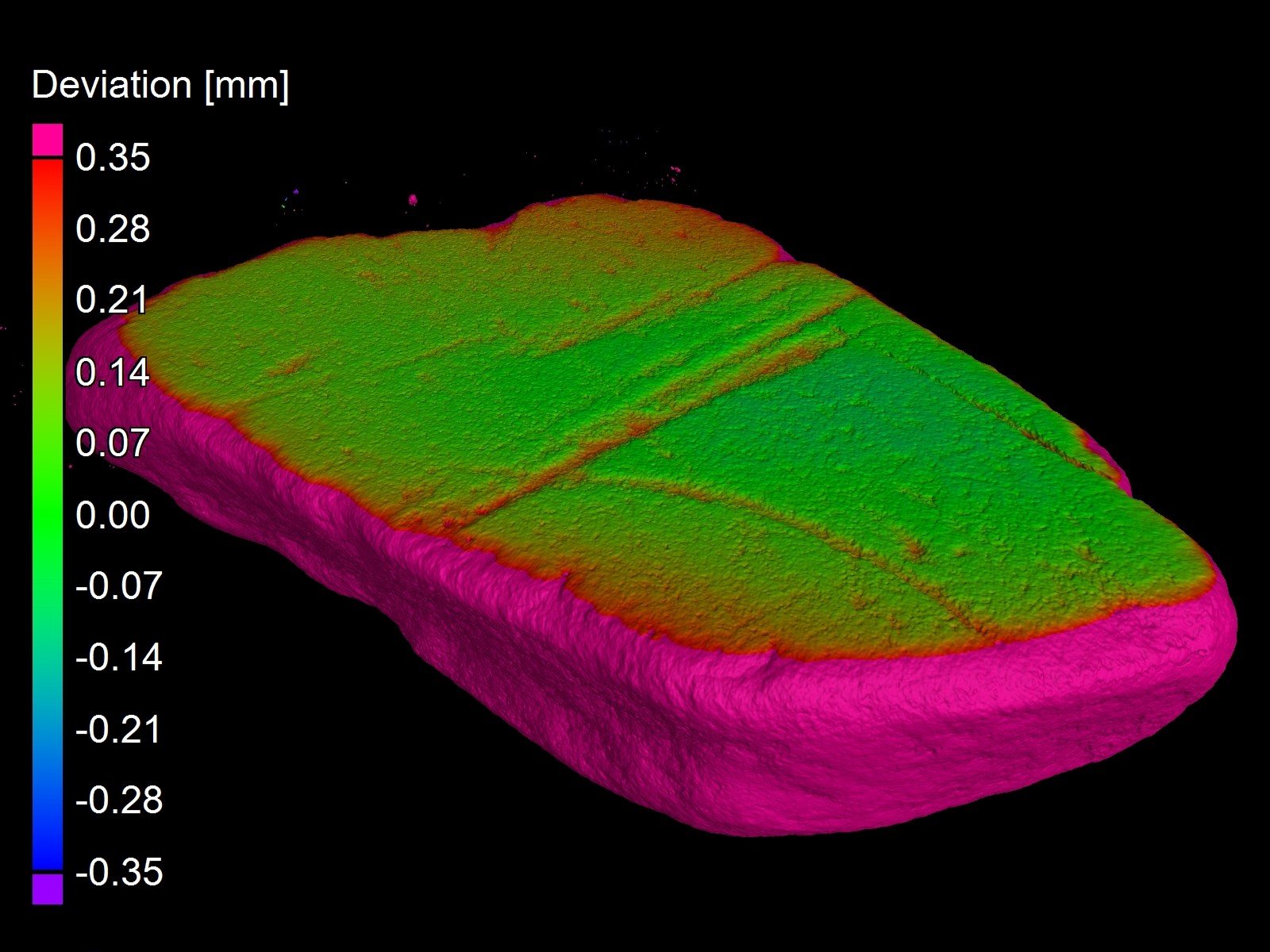
3D documentation
Close-range photogrammetry is used to create three-dimensional models of experimental and archaeological macrolithic tools, documenting their morphology and supporting the spatial recording of observed use-wear traces and residue sampling locations.
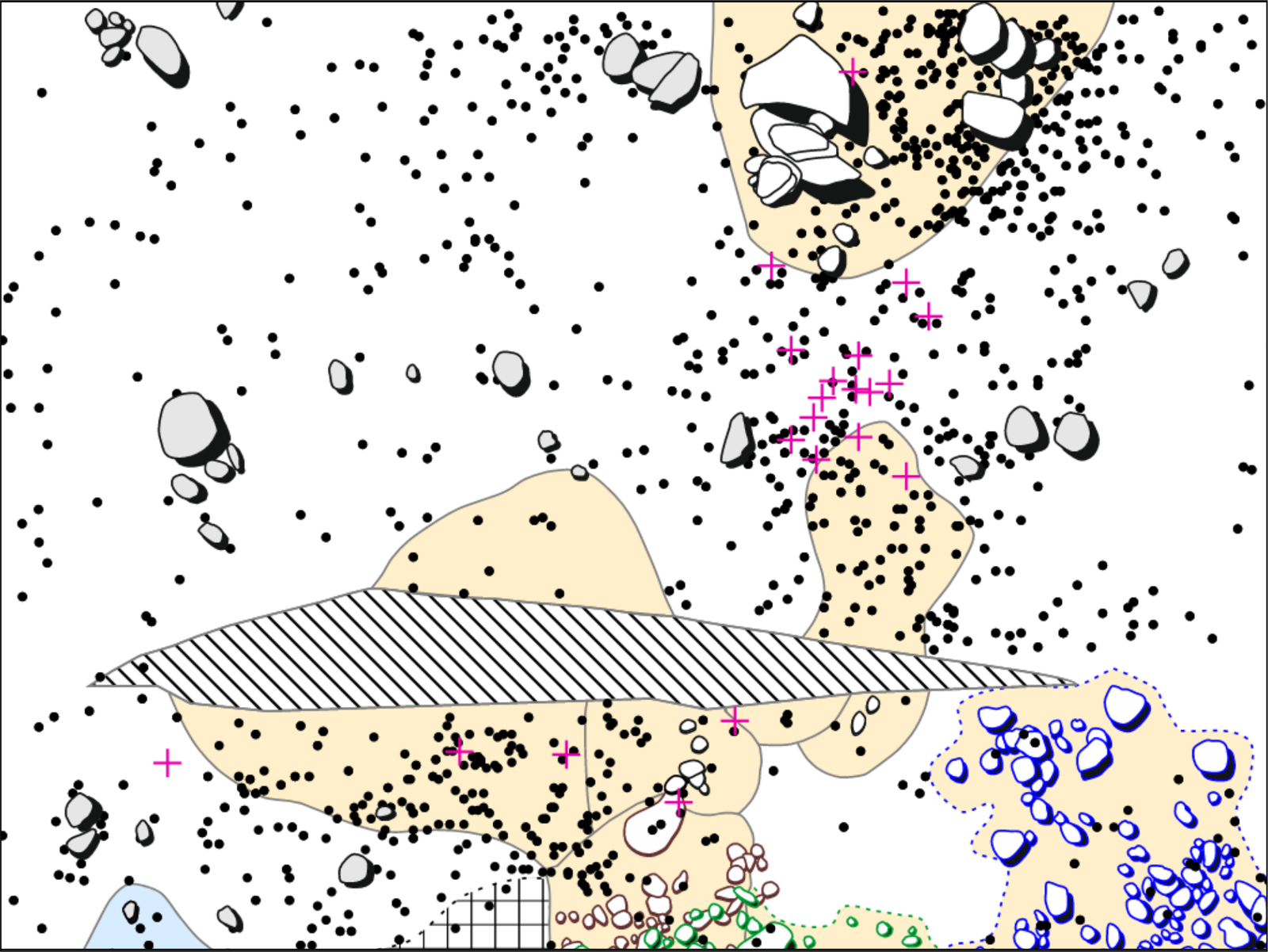
Spatial analysis
GIS-based analysis integrates functional results with artefact distributions and archaeological context to investigate potential activity areas and patterns of tool use within Mesolithic sites.
Additional techniques when required
Selected residues may be further characterised using complementary analytical techniques when microscopic observations require additional compositional evidence.