
PEOPLE
The people behind VISION
VISION brings together expertise in functional analysis, experimental archaeology, Mesolithic archaeology and archaeological science to investigate the role of macrolithic tools in Early Holocene lifeways.
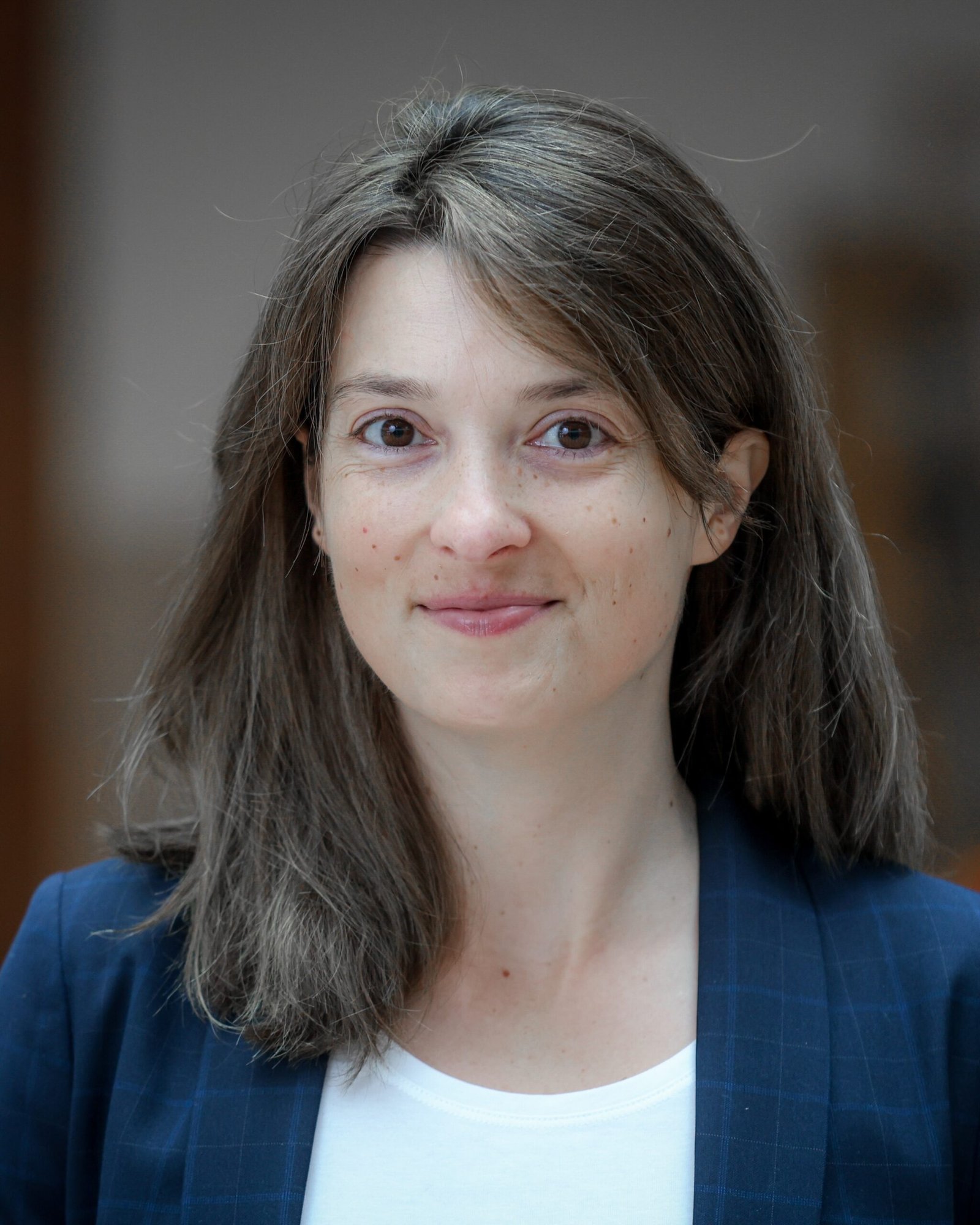
MSCA POSTDOCTORAL FELLOW
Dr Justyna Orłowska
DANTE – Diet and Ancient Technology Laboratory
Sapienza Università di Roma, Rome, Italy
Prehistory Department, Institute of Archaeology
Nicolaus Copernicus University in Toruń, Poland
Sapienza Università di Roma, Rome, Italy
Prehistory Department, Institute of Archaeology
Nicolaus Copernicus University in Toruń, Poland
Archaeologist specialising in the technological and functional analysis of prehistoric stone and osseous artefacts, with particular expertise in wear, residue analysis and experimental archaeology. Within VISION, she leads the experimental and functional study of macrolithic tools and integrates microscopic, 3D and spatial approaches.
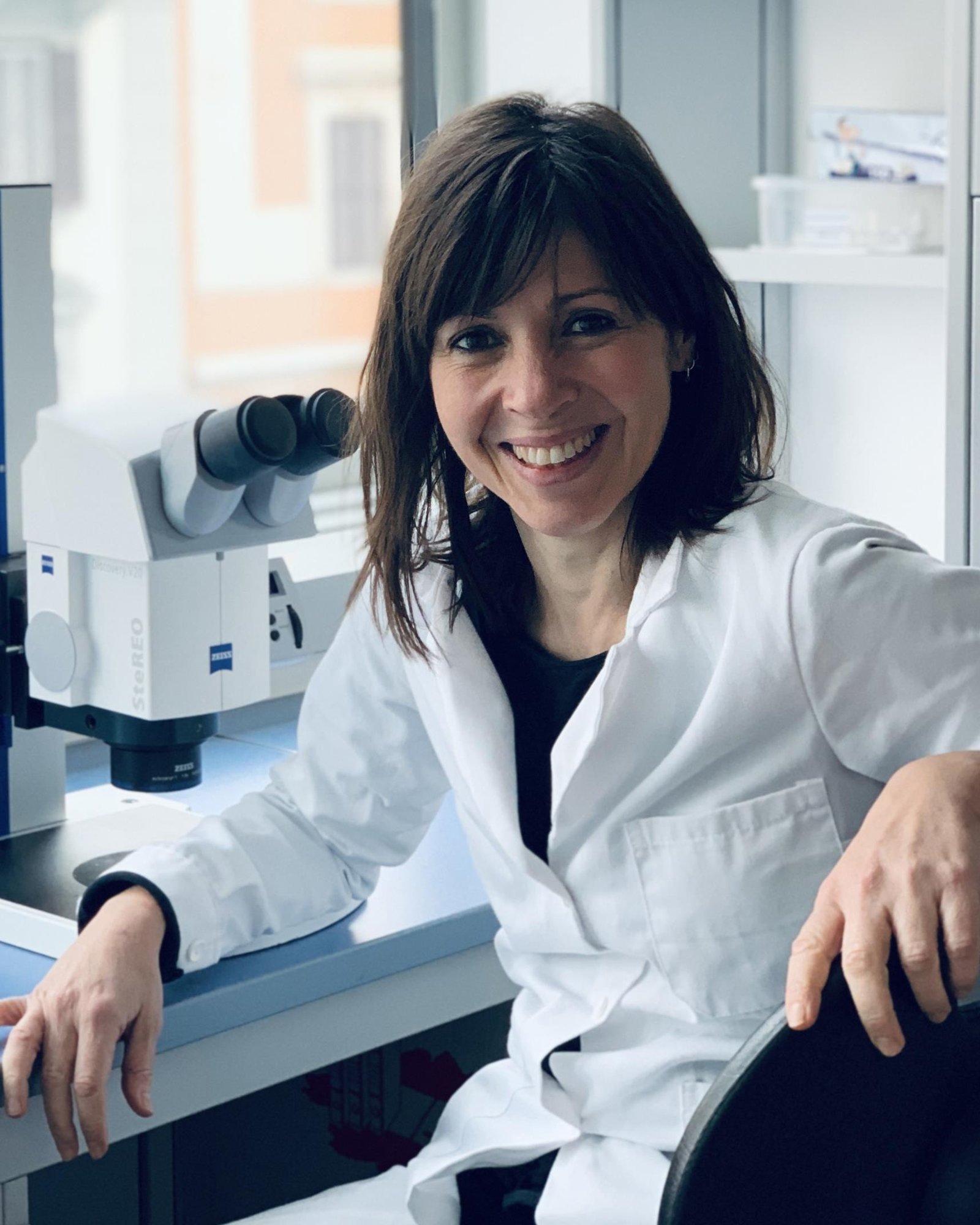
SUPERVISOR
Prof. Emanuela Cristiani
Head of the DANTE – Diet and Ancient Technology Laboratory
Sapienza Università di Roma, Rome, Italy
Sapienza Università di Roma, Rome, Italy
Prehistoric archaeologist specialising in hunter-gatherer societies, material culture and advanced functional analysis. Her research combines technological, wear and residue studies of stone, osseous and other archaeological materials. Within VISION, she provides scientific supervision and expertise in functional and residue analysis.
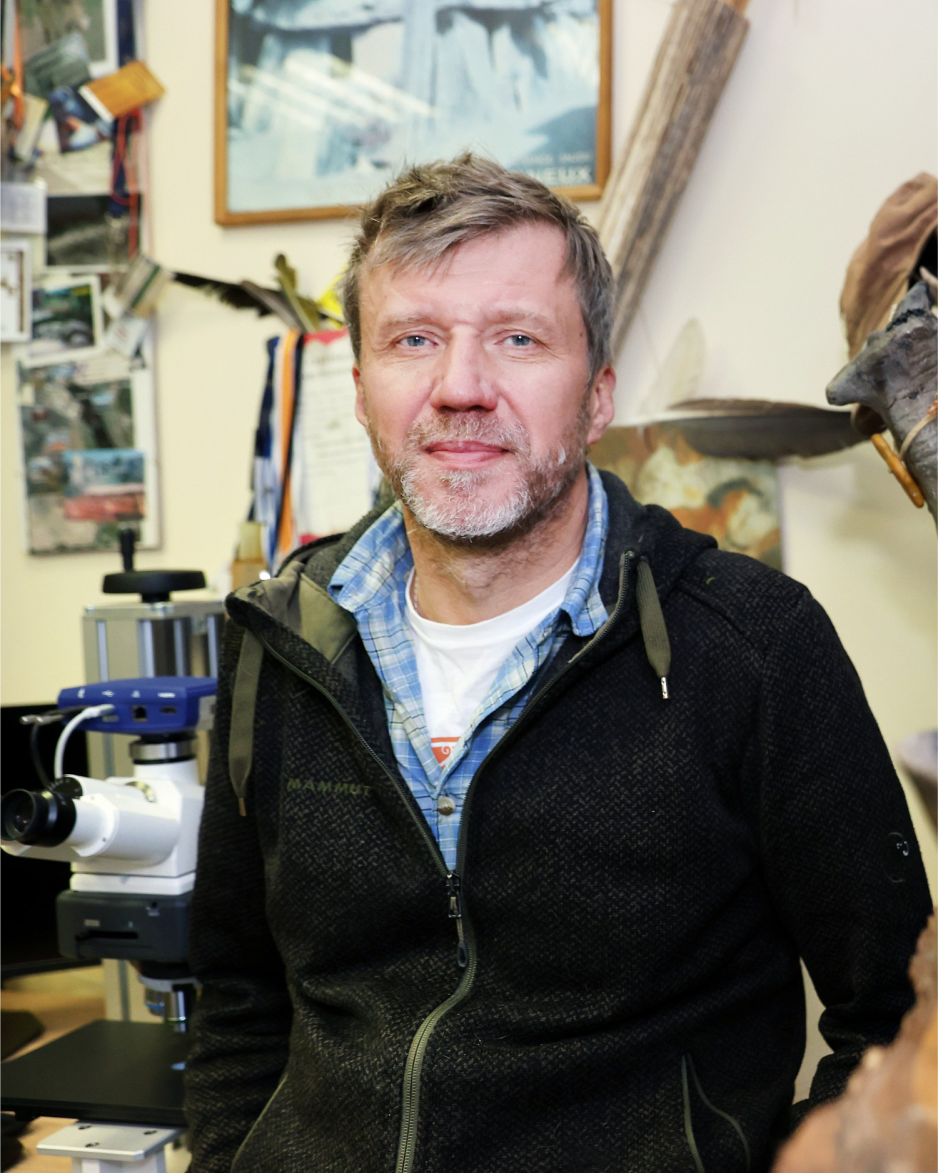
COLLABORATOR
Dr hab. Grzegorz Osipowicz, prof. UMK
Department of Prehistory, Institute of Archaeology
Nicolaus Copernicus University in Toruń, Poland
Archaeology Department, Lithuanian Institute of History, Vilnius, Lithuania
Nicolaus Copernicus University in Toruń, Poland
Archaeology Department, Lithuanian Institute of History, Vilnius, Lithuania
Archaeologist specialising in functional and technological analysis, experimental archaeology and Mesolithic settlement studies. His research includes the interpretation of stone, osseous and wooden artefacts and the spatial organisation of hunter-gatherer-fisher sites. Within VISION, he contributes expertise on the Central European Mesolithic and the archaeological contexts of Paliwodzizna 29 and Ludowice 6.
RESEARCH PARTNERS