Autumn collecting begins for VISION experiments
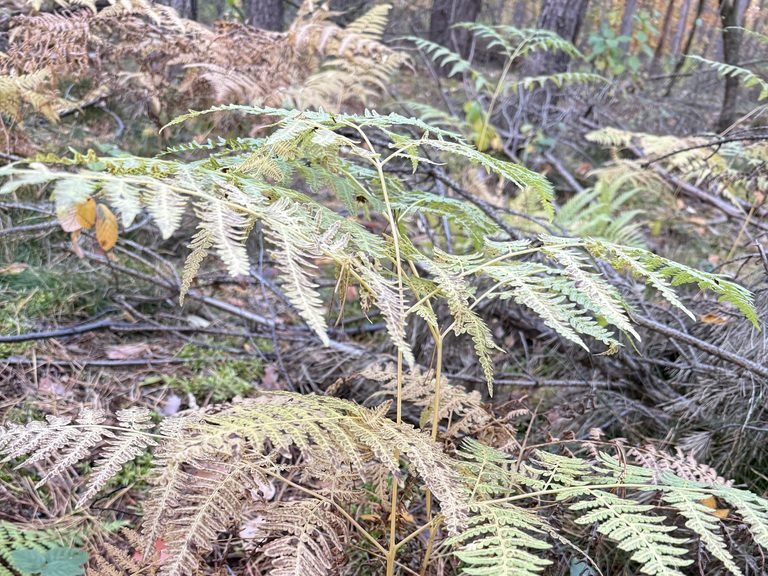
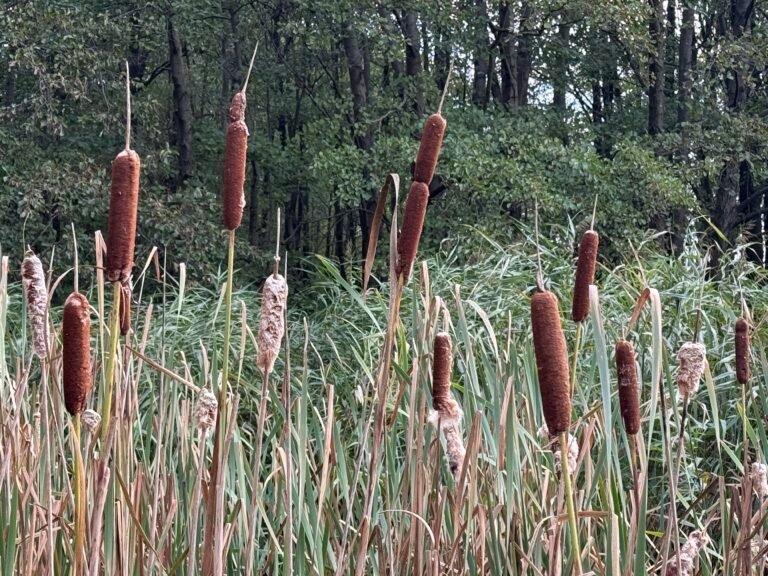
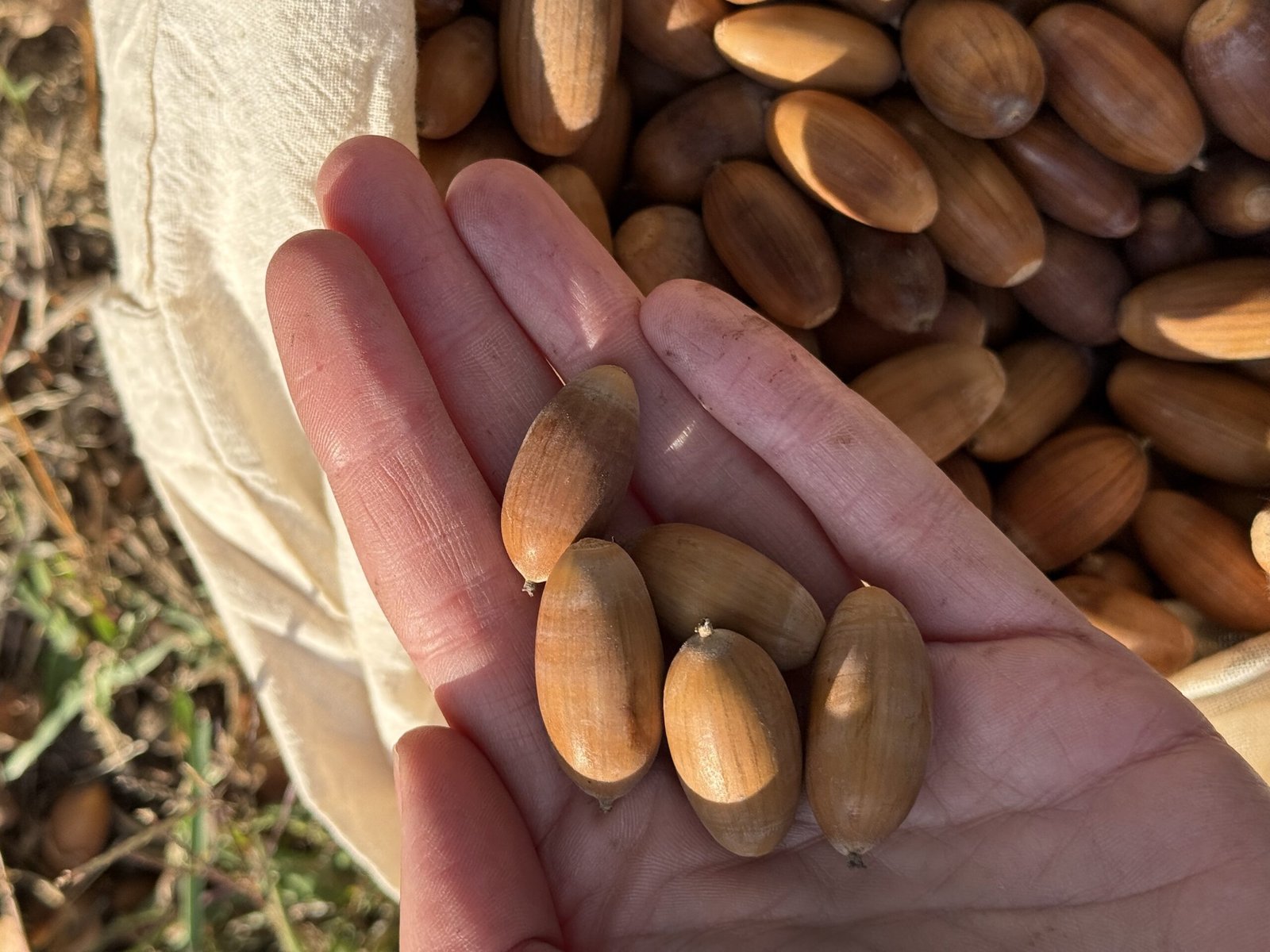
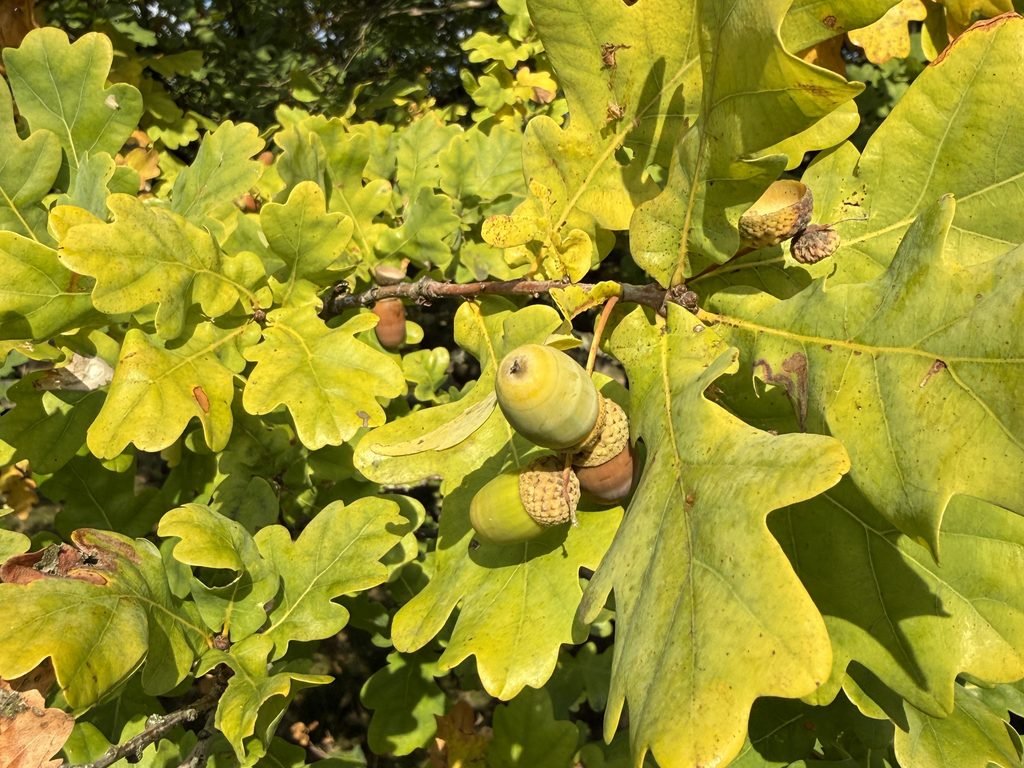
Autumn marks the beginning of an important collecting season for VISION. Acorns, hazelnuts, roots, rhizomes and tubers will provide plant materials for experiments exploring how Mesolithic hunter-gatherer-fishers processed plant resources using stone tools.
At the same time, we are building a reference collection and database of plant residues. Fresh and experimentally processed plant materials will provide comparative samples for identifying microscopic tissues, starch grains and other residues preserved on archaeological artefacts.
Among these seasonal resources, acorns deserve particular attention. Rich in starch, they formed part of prehistoric plant-food economies long before the spread of farming. At the Late Mesolithic settlement of Tybrind Vig in Denmark, archaeobotanical evidence includes charred acorn remains associated with plant-food processing. Kubiak-Martens (1999) discussed the possibility that small fragments resulted from activities such as pounding or grinding, potentially linked to the preparation of flour or other foods.
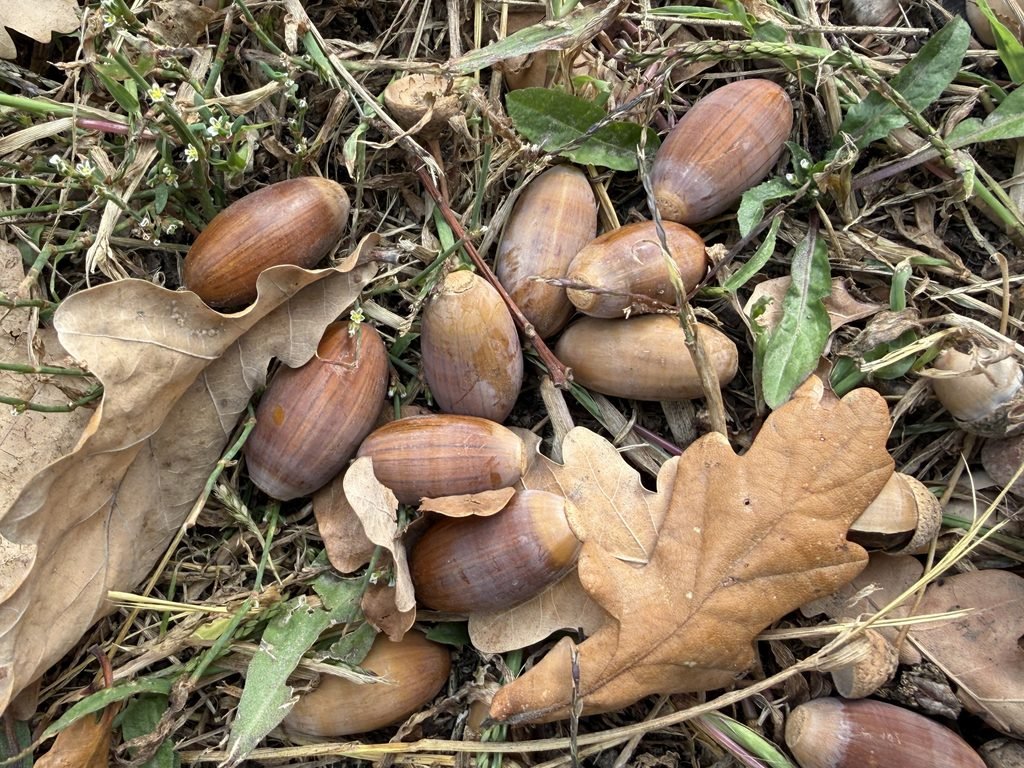
Transforming acorns into edible food requires preparation. Shelling, leaching, roasting, boiling and grinding represent different possible processing pathways. Ethnographic examples discussed by Kubiak-Martens (1999) provide useful comparative models for experimentation, without implying that all of these techniques were necessarily practised in the same way during the Mesolithic.
Does grinding roasted acorns leave different traces from pounding fresh ones? How does boiling affect the residues that survive on a stone surface?
VISION experiments will address these questions by processing plant materials in different states — including fresh, roasted and boiled — and examining the resulting use-wear and residues microscopically.
The collected plants will also provide reference samples documenting how plant tissues and starch grains appear before and after processing. Comparing these experimental materials with residues preserved on archaeological tools will help us assess both what was processed and how preparation may have altered the surviving microscopic evidence.
From autumn collecting to experimental work and microscopy, VISION is building the comparative framework needed to investigate the role of stone tools in Mesolithic plant processing.
Reference
Kubiak-Martens, L. (1999). The plant food component of the diet at the Late Mesolithic (Ertebølle) settlement at Tybrind Vig, Denmark. Vegetation History and Archaeobotany, 8, 117–127. https://doi.org/10.1007/BF02042850